


Build & Migrate
Internationalisation
Markets, hreflang, duties, local pricing.
 (opens in a new tab)
 Selling internationally on Shopify is mostly settled decisions: domains, pricing, duties and language. Get them wrong and you pay for it in returns and support.

The brands we build, run and answer for.






 Certified, not badge-only
 Shopify international expansion, without running a second business to do it.
Read the case studiesSelling into a new market on Shopify is a set of decisions before it is a build: one store with Markets or several, how pricing and currency behave per region, what gets translated and what does not, and which parts of the catalogue should even appear.
Our servicesShopify internationalisation
How we launch a Shopify store into a new market
-
Choose the structure
Markets, domains and URL structure, with the SEO consequences of each stated.
-
Pricing and duties
Per-market pricing and rounding, duty and tax handling configured and tested.
-
Localise
Translation, payment methods and the local details, checked by someone who buys in that market.
-
Verify
hreflang validated, test orders placed in each market, then monitored.
Selling internationally on Shopify
Why a second market is a pricing problem before a translation one
Selling beyond the UK early changes what the store has to do on day one. Currency, duties and delivered cost are build decisions, not settings you switch on later.
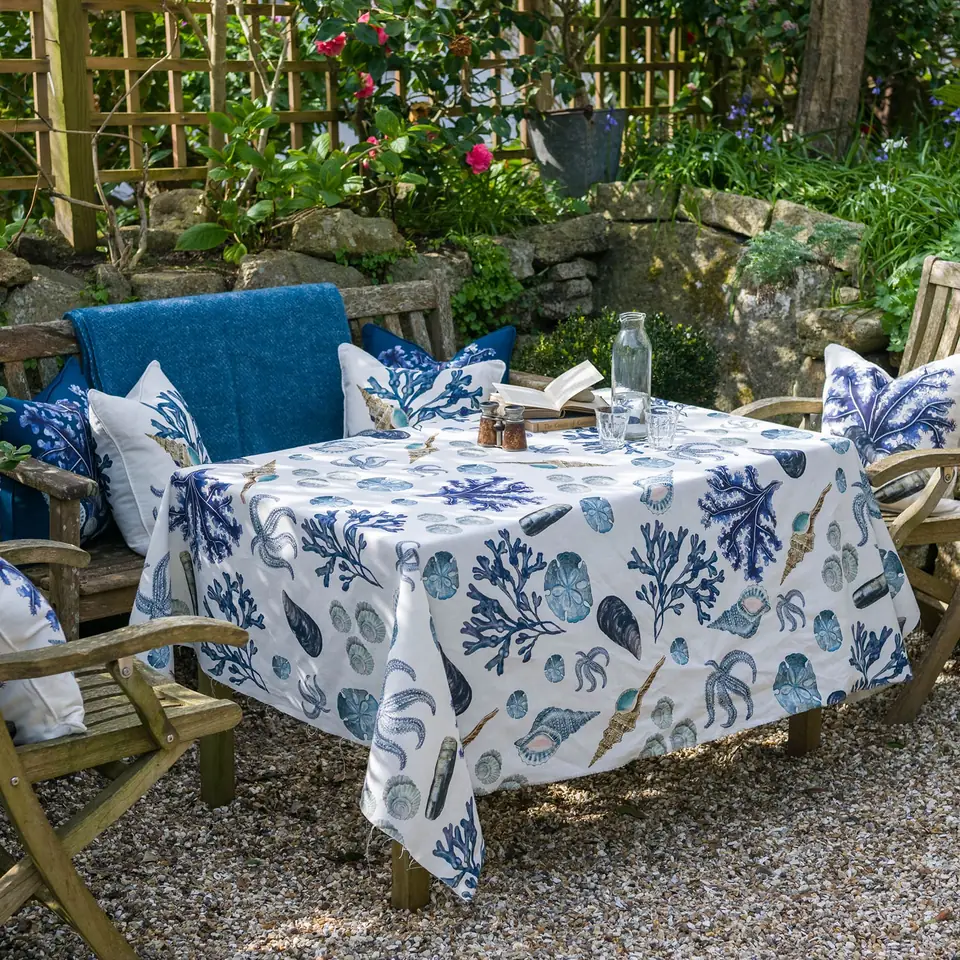
We have set that up for a Paris atelier in Nour Hammour, Swiss-made dive watches sold direct in Waldo, fine jewellery in Venyx World and apparel in Art Martial Clothing, and before that relationship ended, for WUKA. For Citizen M it is an ordering platform that routes each hotel's order to the local distribution serving it.
- Domain and hreflang strategy that does not split your ranking signals
- Market pricing set deliberately, not by exchange rate alone
- Duties and taxes shown at checkout, so nothing arrives with a bill
- Localisation beyond translation: sizing, payment methods, delivery promises
Shopify Markets
What Shopify Markets internationalisation covers
Where the store lives
Markets and domains
Subfolder, subdomain or country domain, decided on how you want the SEO to consolidate rather than on what is fastest to switch on.
hreflang
Correct, reciprocal and machine-checked. Broken hreflang is the most common reason an international rollout underperforms and the least visible.
What the customer pays
Duties and taxes
Landed cost at checkout wherever it is possible, because a customs bill on the doorstep is the fastest route to a refund and a bad review.
How it reads locally
Real localisation
Payment methods people expect, sizing in local conventions, delivery promises that are true, and copy that reads as written rather than translated.
Build


Shopify internationalisation
Around 25 markets, run from one store
Powerlete is our own sportswear brand. It sells through Shopify Markets into around 25 markets: the whole of Europe, the US, Canada, Australia and New Zealand.
A pattern we recommend to a client has usually already been through a season of real traffic and real returns here.

Shopify Markets
From a WhatsApp thread to a trade store selling worldwide
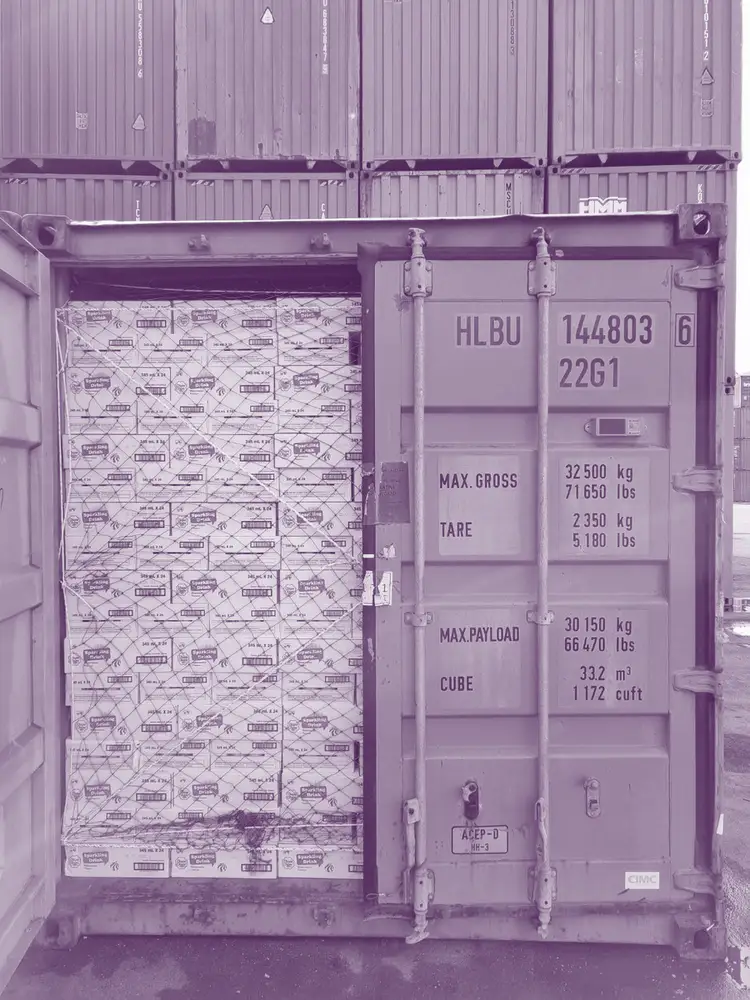
Pricing varies by tier, by group, by individual buyer and by market, with headroom built in for currency movement. The Japanese yen is the sharp case, because an exchange-rate swing can undo a quoted margin before a container has shipped.
A landing page per brand and per market carries a qualifying form: company name, email, WhatsApp number, country, and how many containers the buyer imports in a year.
Knack Snacks
UK and US markets, subscriptions
Selling internationally on Shopify
A snack brand trading two markets from one admin
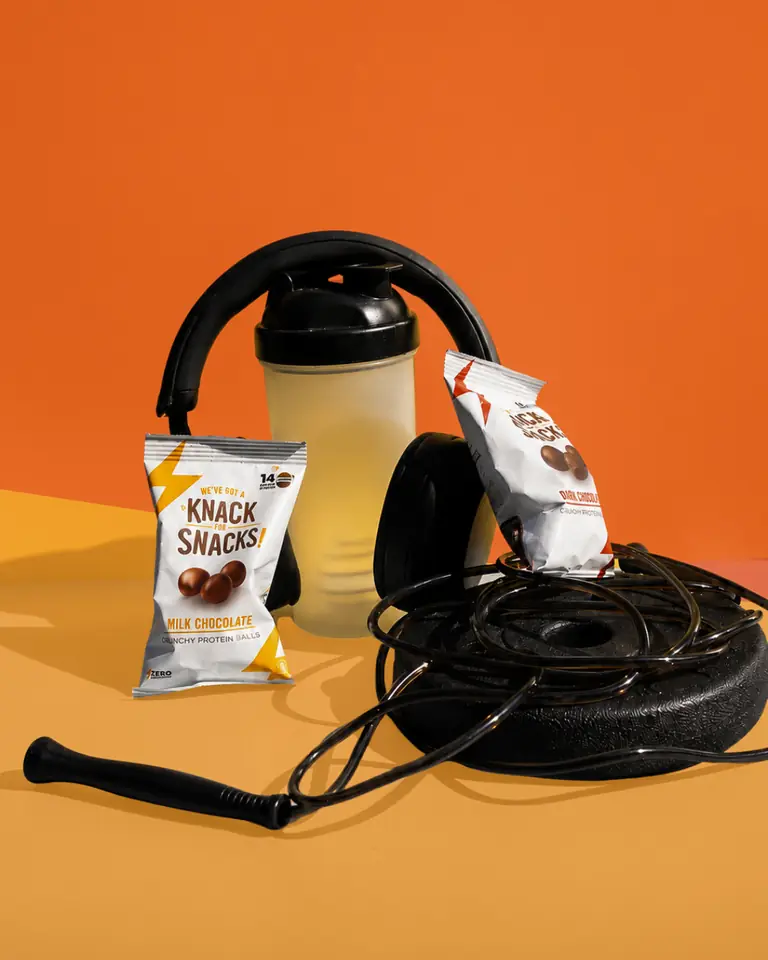
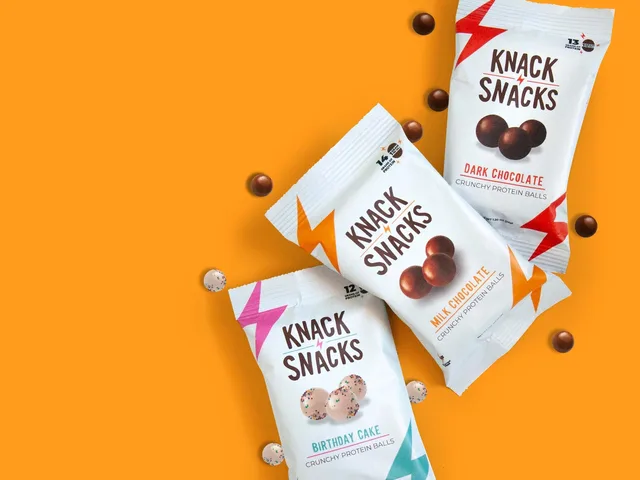
Two markets, UK and US, set up so pricing, currency and delivery read correctly in both rather than showing an American customer a British checkout.
We built it on Horizon with a subscription selector, and it trades the UK and the US from one admin: one catalogue, two markets.
One store or several
Shopify Markets, or a store per country?
The first decision, and the one that is expensive to reverse. Most brands should stay on one store. Here is where the two actually separate.
| Question | One store with Markets | A store per country |
|---|---|---|
| Catalogue | One catalogue, with what each market sees set per market | A catalogue per store, kept in step by hand or by app |
| Pricing | Set per market, in one admin | Set store by store |
| Domains | Subfolders, subdomains or country domains, from one store | A domain per store |
| hreflang | Added and kept in sync by Shopify | Built and maintained by hand across stores |
| Apps and theme | Installed and paid for once | Installed, configured and paid for per store |
| Upkeep | One store to maintain | Several, and one of them quietly rots |
| When it is right | Most brands entering a second or third market | A market that needs its own catalogue, brand, entity or checkout |
Grow


International Shopify strategy
Product feeds localised for every market
Bessette sells new, curated luxury fashion direct online, across clothing, shoes, bags, jewellery and accessories from a long list of names.
Klaviyo verification across every sending platform, a Google Merchant Center setup, and advanced product feeds for Merchant Center and Facebook, including localisation for their different markets. Support through international expansion across their core markets, already live and trading.

Shopify internationalisation
International expansion, advised and now running
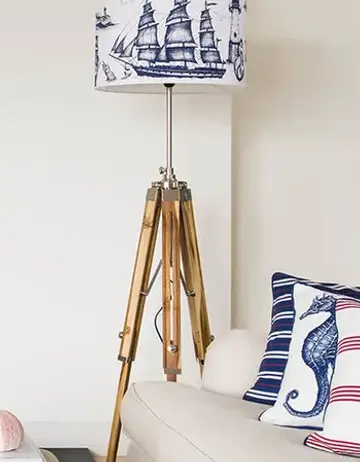
Cream Cornwall sells luxury coastal homewares, interiors and gifts. It trades online and across three shops, in Falmouth, St Ives and Bath.
We advised on international expansion and they took it up. It is in place and running now, not sitting in a deck.
Reviews on the Shopify Partner Directory
Merchants, in their own words.
-
From start to finish, they were incredibly easy to work with. They understood the brief perfectly and delivered to a very high standard. Communication was excellent throughout, with quick and clear responses to any questions I had.
Tacky And Upsetting Store build or redesign · April 2026
-
The things [the team] have put in place and recommended for us have paid immediate dividend. We wish we had come in contact with [them] sooner.
ARTMARTIAL Store build or redesign · April 2026
-
I can’t recommend [the team] enough, [they] helped us with everything from product design, supplier communication to website building and SEO. We were able to build a brand off the back of all [their] information and help.
Reveliér Studios Business strategy guidance · April 2026
How we work with you
Market launch
One new market taken from decision to first orders: structure, pricing, duties and localisation, to an agreed scope and date.
ProjectInternational audit
Your current setup checked market by market: domains, hreflang, pricing, duties at checkout and what a local customer actually sees. You get the findings in writing.
Fixed feeGrowth retainer
The next market when you are ready for it, with hreflang monitored and pricing reviewed as currencies move.
MonthlyIs this the right thing to buy from us?
Worth a conversation
- A second or third market is on the roadmap
- You already sell abroad from a store built for one country
- Customers abroad are paying duties on the doorstep
- Your market versions are not ranking where they should
Probably not this, yet
- Overseas orders are a handful a month
- You have not tested demand in the new market
- You want a translation switched on, not a market set up
- The home store itself needs rebuilding first
Keep reading
Everything around selling in a second market
More of what we build
Case studies
The brands behind the stores we build and run.







Partners
Tools we have already run on our own stores.
The apps around a Shopify store decide as much as the theme does, and choosing between thousands of them is most of the work. We are a Shopify Plus Partner and we integrate the tools that sit around the platform. Every one of them runs on our own two stores before it reaches a client, so the recommendation you get comes from having paid for the thing and lived with it. When a brand already runs a stack that works, we integrate with it rather than rebuilding it to suit us.
How we use them



Straight answers
What does Shopify internationalisation actually involve?
Four sets of decisions, in order: the structure (markets, domains and URLs), pricing and duties, localisation, and verification. Selling internationally on Shopify is mostly settled decisions; the build follows from them.
Is Shopify Markets enough, or do we need a store per country?
For most brands, one store with Shopify Markets is the right answer: one catalogue, one admin, and pricing and domains set per market. A separate store earns its cost when a market genuinely needs its own catalogue, brand, legal entity or checkout. We will tell you which you are.
Subfolder, subdomain or country domain?
Decided on how you want the SEO to consolidate rather than on what is fastest to switch on. We set out the consequences of each for your store before anything is configured.
How do you stop hreflang breaking?
It is set up correct and reciprocal, validated before launch, and machine-checked afterwards. Broken hreflang is the most common reason an international rollout underperforms, and the least visible.
Can customers see duties and taxes at checkout?
Wherever it is possible, yes, because a customs bill on the doorstep is the fastest route to a refund and a bad review. What your setup allows depends on your plan, your payment provider and the markets involved, which we check while scoping.
Do you just translate the store?
No. Translation is one part. Localisation also means the payment methods people expect, sizing in local conventions and delivery promises that are true, checked by someone who buys in that market.
Which markets have you launched into?
Powerlete, our own brand, sells into around 25 markets: the whole of Europe, the US, Canada, Australia and New Zealand. Knack Snacks trades the UK and the US from one admin, and Black Sand prices by buyer and by market to trade buyers worldwide.
Do you work with US brands as well as UK ones?
Yes. We build from London for brands across the UK and the US, and quote and invoice in either currency.
Tell us what the store needs to do
Send the store URL and what is in the way. We reply personally, and if the honest answer is that you do not need this yet, that is the reply you get.
Stores we build and grow









Start a conversation
Tell us what the store needs to do.
Not what it should look like. If we are the wrong people for it, we will tell you that on the call rather than three weeks into a scope.
UK and US brands buy this from the same senior team, and the American day is covered from the start of it rather than the end. How we work with US brands.
Get in touch