


Build & Migrate
Subscriptions
Built for retention, not signups.
 (opens in a new tab)
 Getting the first subscription order is easy. The programme is won or lost in month three, in the portal, the dunning and the cancellation flow.

The brands we build, run and answer for.





 Certified, not badge-only
 A subscription programme is won in month three, not on the first order.
See the subscription store we runPlans, the portal, failed payments and the cancel flow, built on a store we run on the same model ourselves.
Our servicesSubscriptions with Shopify
Why subscription programmes are won on retention, not signups
Subscriptions with Shopify are native now: selling plans, recurring billing through the checkout, a customer portal and retries on a failed card. For a first programme that is most of the mechanism. What the platform does not do is the commercial design, and it will run a badly priced plan with a hostile cancel flow just as reliably as a good one.
So the work a Shopify subscription agency is paid for sits above the app. How the subscription price compares with the one-off. Whether somebody can skip a delivery without emailing you. What happens when a card fails. And what the store does at the moment a customer decides to leave.
The model suits products whose consumption sets the reorder date: food, drink, supplements, personal care, household staples. Where the purchase is occasional or considered, a subscription ends up carrying the offer rather than the offer fitting the model, and churn shows it inside a few months.
- Plan and pricing design that survives contact with a real catalogue
- A customer portal people can actually use without emailing you
- Dunning that recovers failed payments instead of losing the customer
- Churn reporting that separates cancellation from payment failure
Shopify subscription plans
How we build a subscription customers stay on
-
Model the programme
Plans, pricing and the rules, checked against margin and fulfilment reality.
-
Build
App selection and configuration, portal and theme integration, dunning configured.
-
Launch
Migration of any existing subscribers, with their billing dates and discounts preserved.
-
Retain
Monthly review of churn by reason, with the next retention change agreed.
Built in, not bolted on
Knack Snacks
UK and US markets, subscriptions
Shopify subscriptions
A snack store built subscription-first
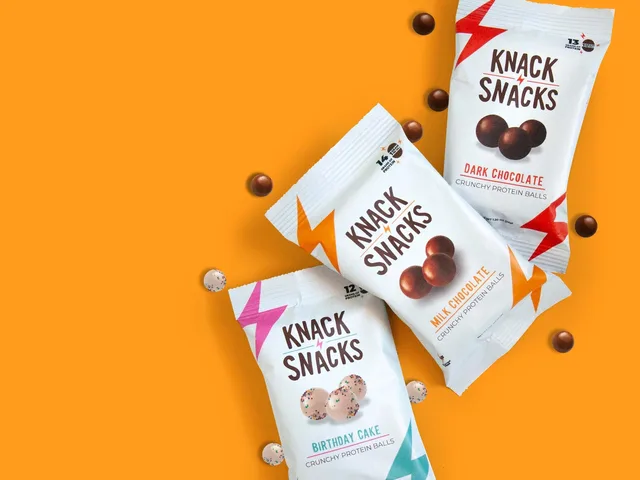
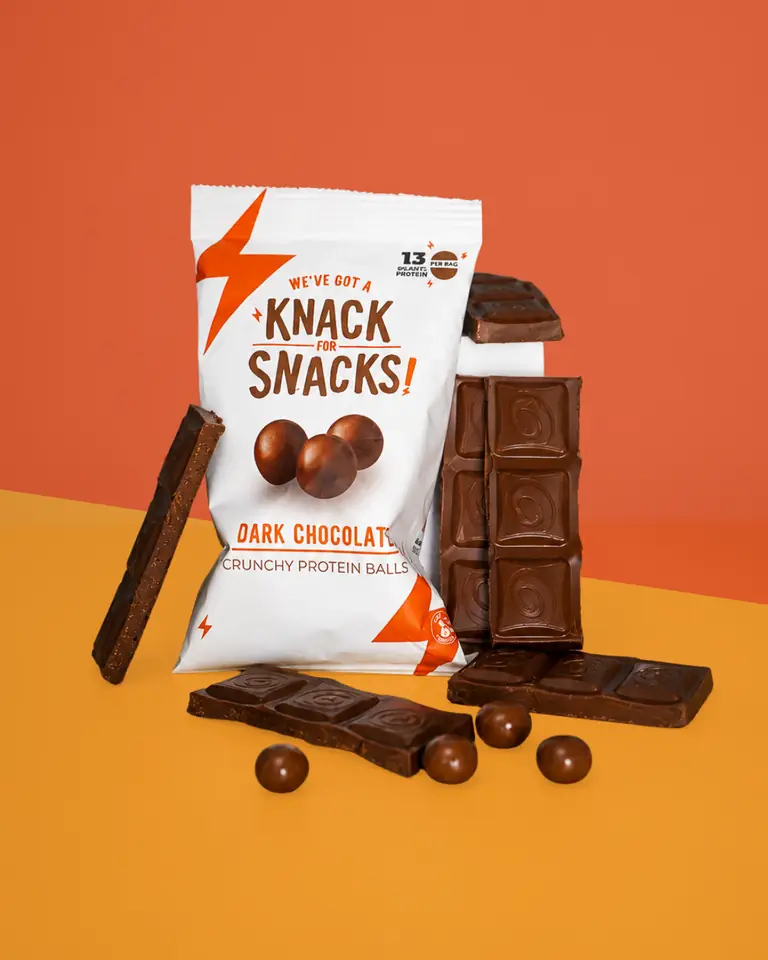
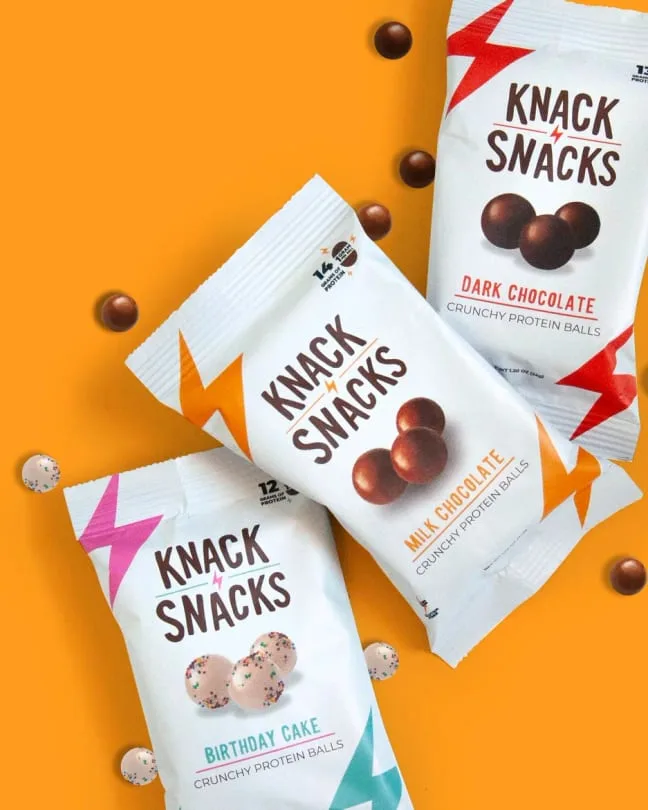
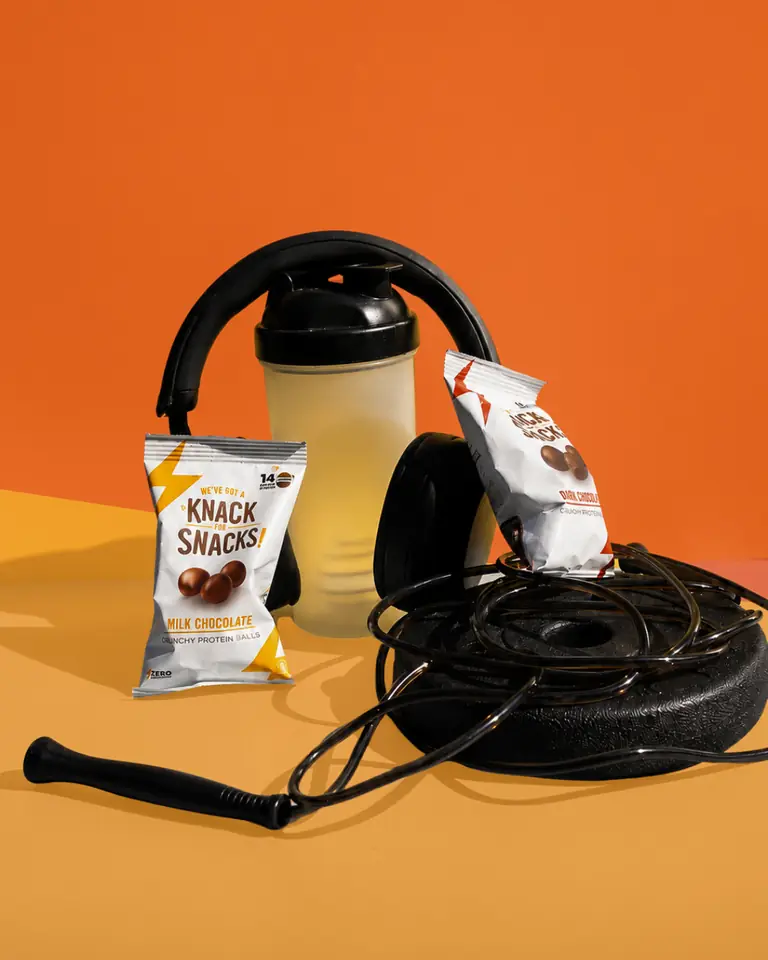
Knack Snacks sells high-protein chocolate snacks in the UK and the US. People buy it again once they like it, which makes it a subscription business whether or not the store is built as one.
Most snack stores add subscriptions afterwards, as an app bolted onto a checkout never designed for it. We built this one the other way round, with the subscription selector designed into the product page, so choosing a frequency is part of the buying decision rather than a second one after it.


Subscription on Shopify
On Loop from the first day trading
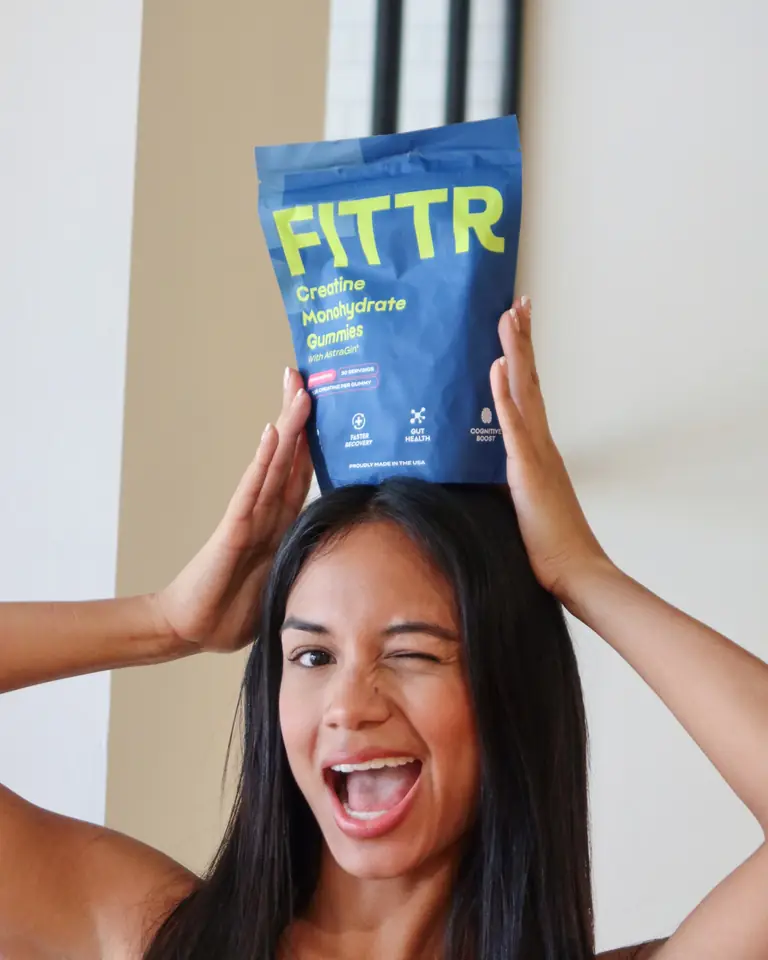
Fittr Nutrition is our own supplements brand, best known for its creatine gummies. The subscription programme was built on Loop before the store first traded, so the offer, the plan options and the customer portal are how it has always run.
That also means there is no before and after to quote, and we do not invent one. The figure we can point to is separate: conversion work on the same store lifted average order value by 20%, measured as of 2026-09-10.
Scope
What our Shopify subscriptions service includes
What the subscriber sees
Plan design
Frequency, discount and swap rules modelled against your margins before anything is built. A programme that loses money at scale is easy to launch.
The portal
Skip, swap, pause, change date and change address, all self-serve. Every action a customer cannot take themselves becomes a support ticket or a cancellation.
What keeps them
Dunning and recovery
Failed payments are a large share of churn and they are the most recoverable. Retry logic, card updater and the messaging around it.
Reporting
Active subscribers, churn split by reason, and revenue per cohort. Involuntary churn is a different problem from someone choosing to leave.
The honest comparison
A subscriptions app switched on, or a programme built?
An app on its own is not a subscription programme. It is quick, cheap and sometimes enough. Here is where the two separate.
| Question | An app, switched on | A programme, built |
|---|---|---|
| Plans | Whatever options the defaults suggest | Frequency, discount and swap rules modelled against your margins first |
| Product page | A widget parked beside the add to cart | The selector designed into the page, part of the buying decision |
| Portal | The screens the app ships with | Skip, swap, pause, change date and address, all self-serve |
| Failed payments | Retries on a schedule, in silence | Retry logic, card updater and the messages around them |
| Cancellation | One cancel button, no question asked | The reason asked first, a save that answers it, cancel always one tap away |
| Reporting | Subscription revenue as one number | Churn split by reason, and payment failure kept apart from choice |
| Time to launch | An afternoon, and the app fee | Weeks, and a fee on top |
Kept, not just won


Shopify subscription agency
Retention run on a brand we pay for
Powerlete is our own sportswear brand, run in-house across the whole stack: storefront, merchandising, paid media and retention. There is no one to hand off to.
The flows that bring a customer back are tested there, on our own money, before we recommend them to anyone. The same stack runs on Fittr, which is where the subscription side of it is proved.


WUKA
Store build, then conversion testing
Shopify and subscriptions
Testing the page a returning customer lands on
WUKA makes leak-proof reusable period underwear, a product that has to be explained before it can be sold. We built the store with the explaining inside the buying path, then ran conversion testing on it, and we support it still.
On a store people come back to, the test is usually what the page says and in what order. On a subscription store the same rule has a second half: a conversion change must not quietly work against the subscription rate running beside it.
The moment that matters
How we build the cancel flow
Most subscription apps ship one cancel button and no questions. We treat that as a defect in the build, not a setting, and a cancel made hard on purpose as a worse one.
Reason first, offer second
Ask why before offering anything
A discount shown to everyone trains subscribers to threaten cancellation. The reason comes first, and the save that follows answers it.
Discount is the last lever
Too much stock wants a skip or a slower cadence. A different flavour wants a swap. Money is only the answer when the objection is price.
Always one tap from the exit
Two screens, no loops
The question, then the matched save, with cancel reachable on both. Cancelling is no harder than signing up, which UK and US rules expect anyway.
Most cancels never get there
Skip, delay and swap sit one tap away in the portal and are named in the pre-renewal email, so a subscriber who only needs a pause never meets the flow.
Buying it
How we work with you
Programme build
Plans modelled, app chosen and configured, portal and theme integrated, dunning and cancellation set up, launched to an agreed scope and date.
ProjectSubscription audit
Your live programme checked end to end: plan pricing, the portal, the pre-renewal reminder, failed payments and the cancel flow. You get the findings in writing.
Fixed feeRetention retainer
A monthly review of churn by reason, with the next retention change agreed and shipped, alongside the email that carries it.
MonthlyIn their words
Reviews on the Shopify Partner Directory
Written by merchants, on Shopify's platform, where anyone can go and check them.
-
From start to finish, they were incredibly easy to work with. They understood the brief perfectly and delivered to a very high standard. Communication was excellent throughout, with quick and clear responses to any questions I had.
Tacky And Upsetting Store build or redesign · April 2026
-
The things [the team] have put in place and recommended for us have paid immediate dividend. We wish we had come in contact with [them] sooner.
ARTMARTIAL Store build or redesign · April 2026
-
I can’t recommend [the team] enough, [they] helped us with everything from product design, supplier communication to website building and SEO. We were able to build a brand off the back of all [their] information and help.
Reveliér Studios Business strategy guidance · April 2026
Is this the right thing to buy from us?
Worth a conversation
- Customers run out of your product on a roughly predictable cycle
- You run subscriptions already and churn is a single number nobody can explain
- Failed cards are cancelling subscribers and nobody is told
- You are moving subscribers between apps and cannot lose billing dates
Probably not this, yet
- The product is bought occasionally, or because somebody wanted it
- You have not yet sold enough one-off orders to know the reorder cycle
- The store itself needs rebuilding first
Keep reading
Everything around a subscription programme
What sits around a programme
Who it suits
The brands behind the stores we build and run.







Partners
Tools we have already run on our own stores.
The apps around a Shopify store decide as much as the theme does, and choosing between thousands of them is most of the work. We are a Shopify Plus Partner and we integrate the tools that sit around the platform. Every one of them runs on our own two stores before it reaches a client, so the recommendation you get comes from having paid for the thing and lived with it. When a brand already runs a stack that works, we integrate with it rather than rebuilding it to suit us.
How we use them



Questions
Straight answers
What does running subscriptions with Shopify actually involve?
Choosing an app, because subscriptions are not native, and then living with that choice: it owns the billing relationship, the customer portal and what happens when a card fails. Shopify and subscriptions work well together, but the app decision is closer to picking a payment processor than picking a theme, and moving later is genuinely painful.
How should we structure Shopify subscription plans?
Fewer options than feels generous. Every extra frequency and quantity combination is another thing to explain on the product page and another branch in your fulfilment. Most stores do better with two or three well-chosen plans than with a matrix nobody uses, and the flexibility people actually want is the ability to pause rather than the ability to configure.
What breaks most often on a subscription on Shopify?
Failed payments and the silence around them. Dunning is the highest-value flow in a subscription business and the one most stores never set up, so cards expire and subscribers churn without anyone being told. After that: no pre-renewal reminder, which turns a surprise charge into a refund request and a cancellation.
Send us the store and what the programme is doing
The store URL, the app you run and roughly how many subscribers is plenty. We reply personally, and if the honest answer is that subscriptions will not suit what you sell, that is the reply you get.
Stores we build and grow








Start a conversation
Tell us what month three looks like.
How many subscribers stay, and why the rest leave. If a subscription is the wrong model for what you sell, we will say so on the call.
UK and US brands buy this from the same senior team, and the American day is covered from the start of it rather than the end. How we work with US brands.
Get in touch