


Black Sand
From a WhatsApp thread to a trade store selling worldwide.
A trade store where each buyer sees their own catalogue and their own prices, and a qualifying funnel that decides who sees what.
The brief
Who they are
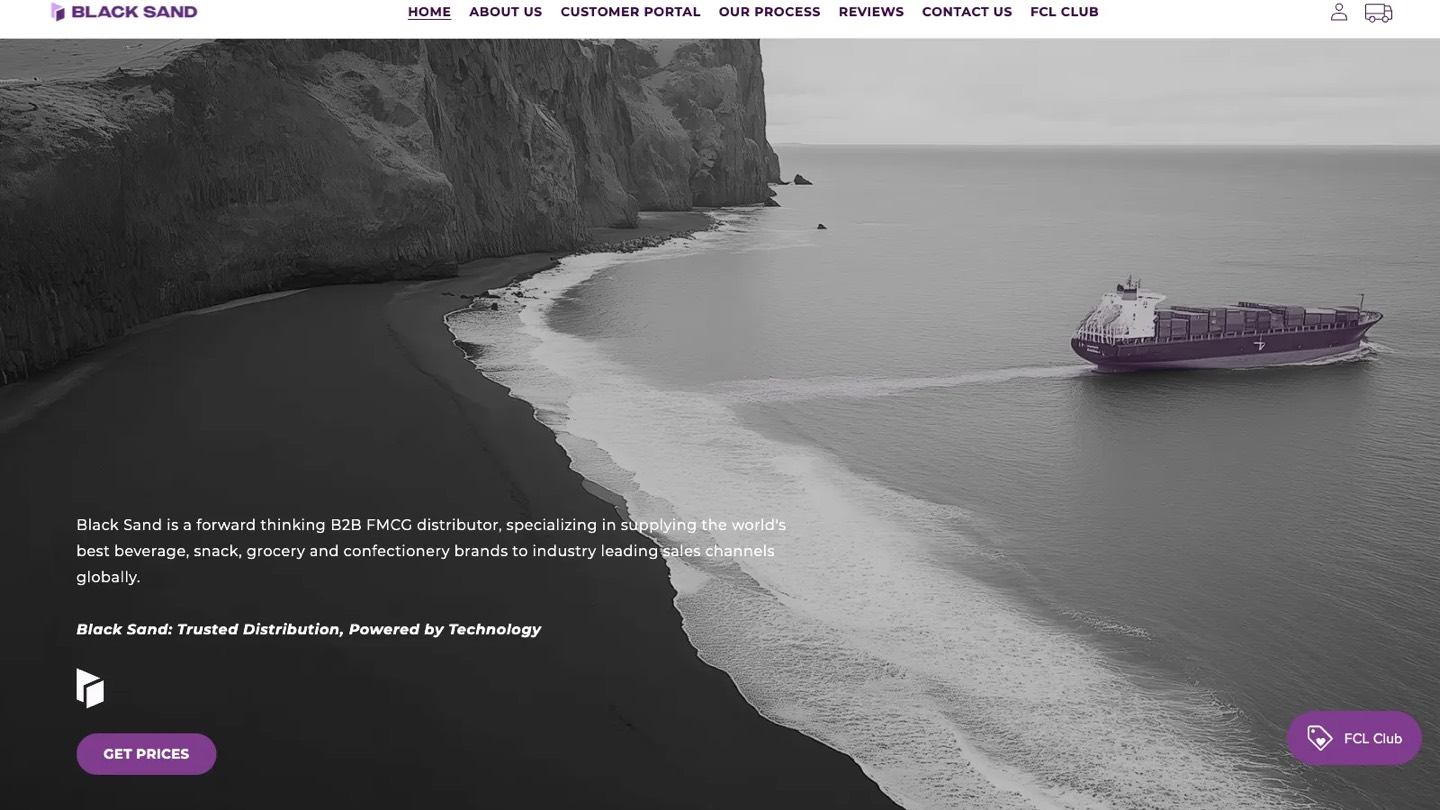
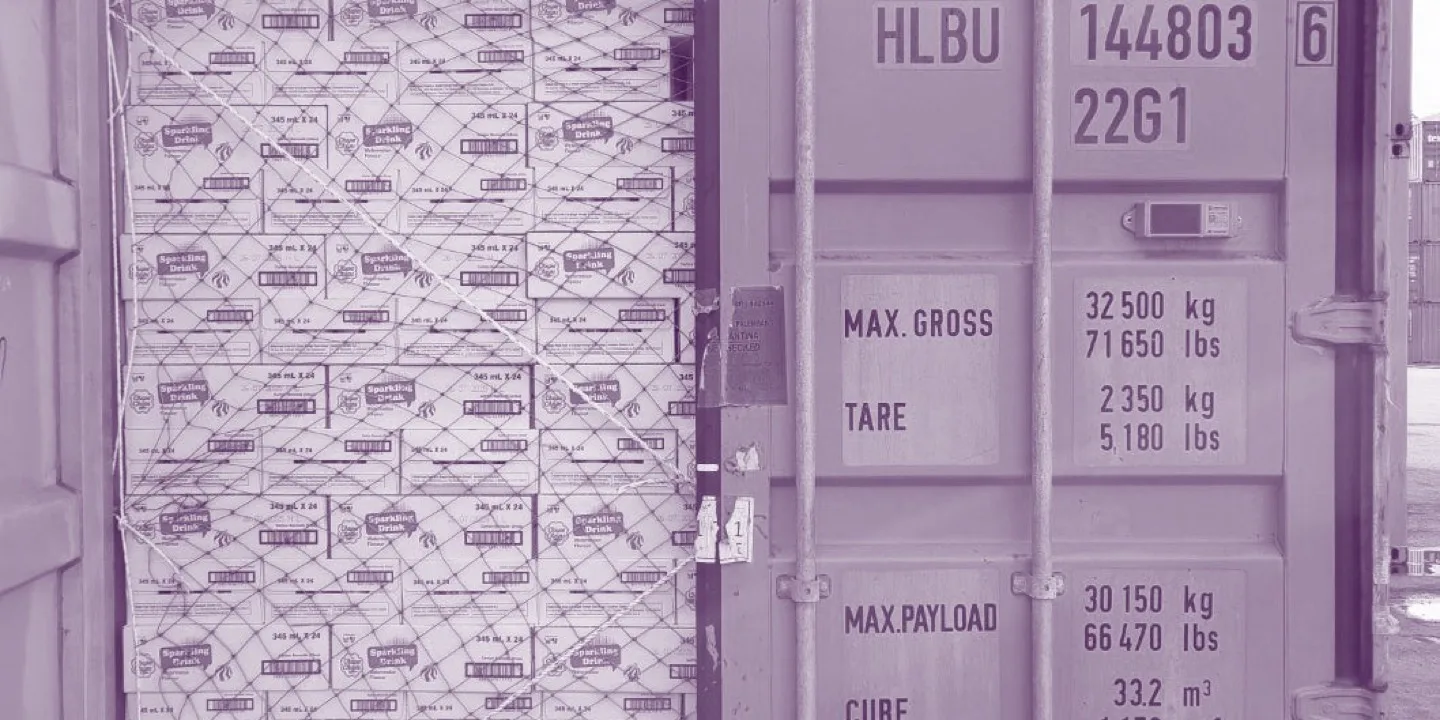
Black Sand is a B2B FMCG distributor. They sell full container loads of branded drinks and snacks to importers and wholesalers: American drinks and snacks, South African Red Bull, Japanese soda and confectionery, moving by the forty-foot container rather than the pallet.
Their own site describes the job as supplying the world’s best beverage, snack, grocery and confectionery brands to industry-leading sales channels globally. The buyer is a trading business, the order is a container, and the price depends on who is asking.
Technical health
Not published. This is a client engagement, and its numbers are the client’s to release, not ours.
The situation
Where it started
They came to us in 2022 as a new business with no storefront of any kind. What trading there was happened over WhatsApp: a buyer asked what was available, somebody quoted a price, and the deal closed in a chat thread.
That works until it does not. Prices in a commodity trade are negotiated and confidential, moving by buyer, by volume tier and by market, so a public catalogue with one price on every product was never going to work. Nor was a brochure site that funnelled every enquiry back into the same inbox it was trying to replace.
The work
What we did
We built the first store from the ground up and have developed it continuously since. It runs on standard Shopify rather than Plus, with the gating and the pricing built on customer tags: a visitor sees the brands, and an approved buyer sees their own catalogue and their own prices.
Pricing varies by tier, by group, by individual buyer and by market, with headroom built in for currency movement. The Japanese yen is the sharp case, because an exchange-rate swing can undo a quoted margin before a container has shipped.
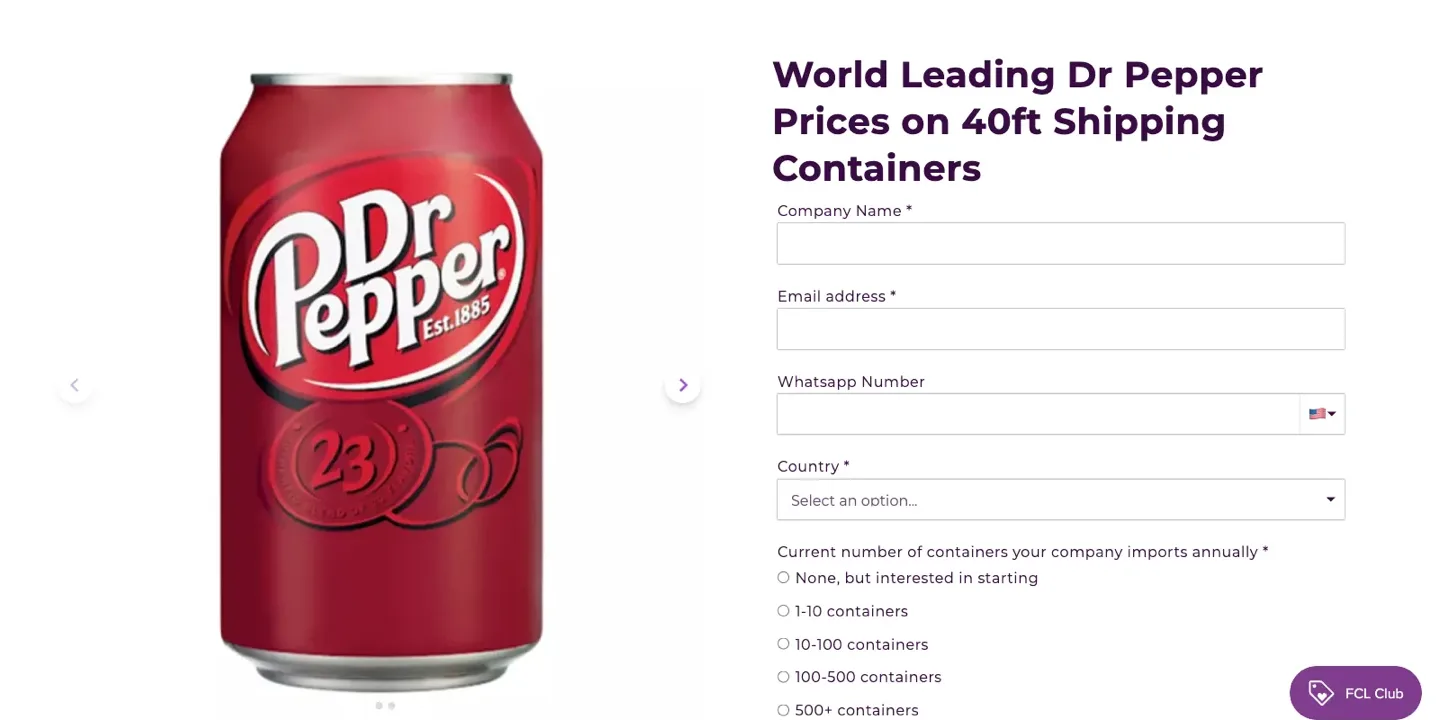
A landing page per brand and per market carries a qualifying form: company name, email, WhatsApp number, country, and how many containers the buyer imports in a year. The qualification is the point. A buyer importing none and a buyer importing five hundred are not the same lead and should not get the same reply.
One submission fans out four ways: to WhatsApp where their sales team already works, to the CRM, to the sales inbox, and into a Shopify account waiting on approval. The tag applied at approval is the same tag that unlocks the pricing, so qualifying a buyer and giving them a catalogue are one decision rather than two.
The cart enforces the trade minimum directly, rather than leaving it as a note on a price list a buyer has to remember. A container order carries its own minimum, and the checkout applies that rule itself: fall under it and the buyer finds out before checkout, not after.
Alongside the build we run their SEO, their Google Ads and their Meta Ads, and we consult on the wider Shopify strategy as they grow. The two paid channels do different jobs: Google catches buyers already searching for container prices, and Meta does the part Google cannot, putting the brand in front of importers before they have started looking.
Conversion work runs on the same account, on a store where the buyer is already approved and the funnel is the qualifying form rather than a product page. That is a different conversion problem from a consumer storefront, and we treat it as one.
The detail
A loyalty programme for people buying by the container
Loyalty schemes are a retail idea, and the mechanics assume a retail shape: a card payment, at a checkout, at the moment of order. None of that describes a container of Dr Pepper bought on deposit.
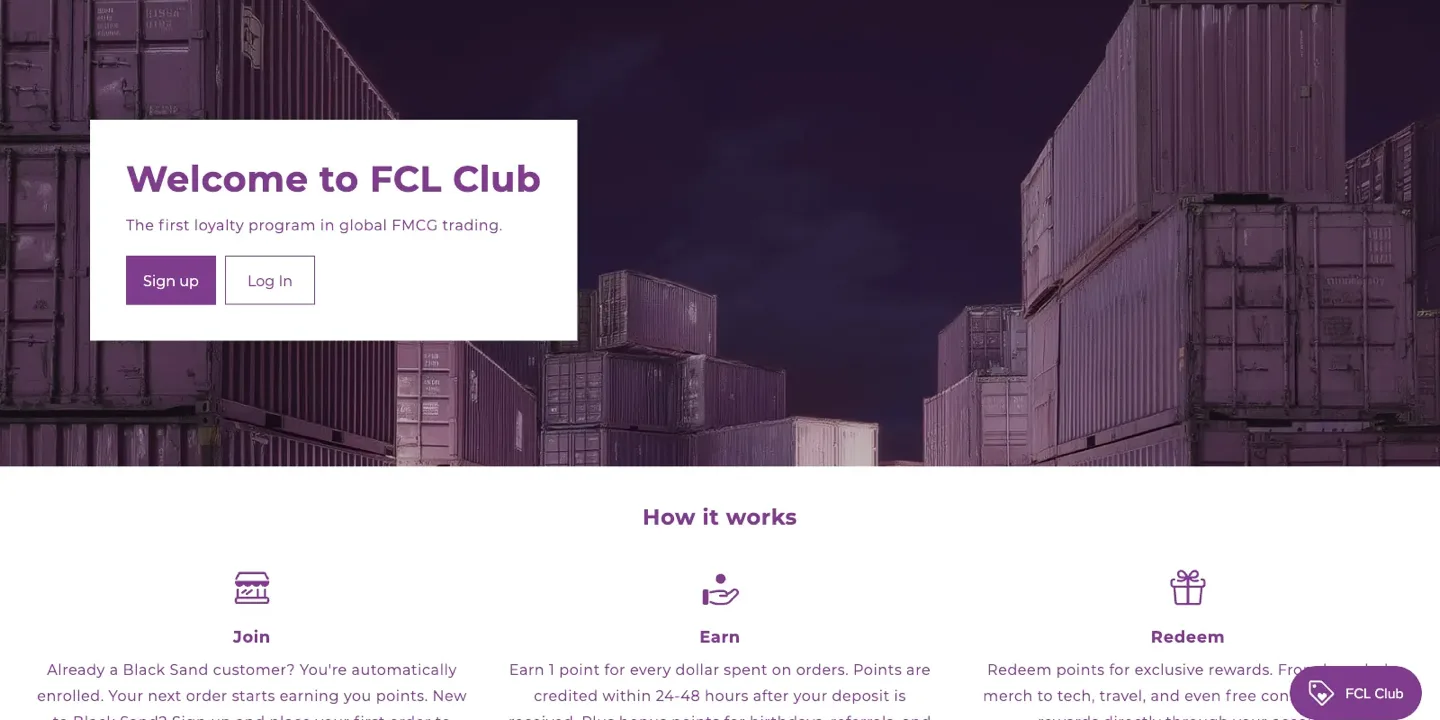
FCL Club runs on Smile.io and we set it up around how the trade actually pays. A point per dollar spent, credited once the deposit is received rather than when the order is placed, with bonuses for referrals and points that hold as long as the account stays active. Black Sand describe it as the first loyalty programme in global FMCG trading; that claim is theirs, and it sits on their site rather than ours.
Candour
Where it stands
Live and trading worldwide, four years into the engagement, with the store, the search work and both paid channels still running. A move to Shopify Plus is planned.
We publish no figures for this store. Its commercial numbers are the client’s to release, and Black Sand has not authorised any, so none appear here.
In one line
Client engagement since 2022. Build, search, conversion, paid media and lead generation. No figures published, at the client’s discretion.
More work →
Start a conversation